


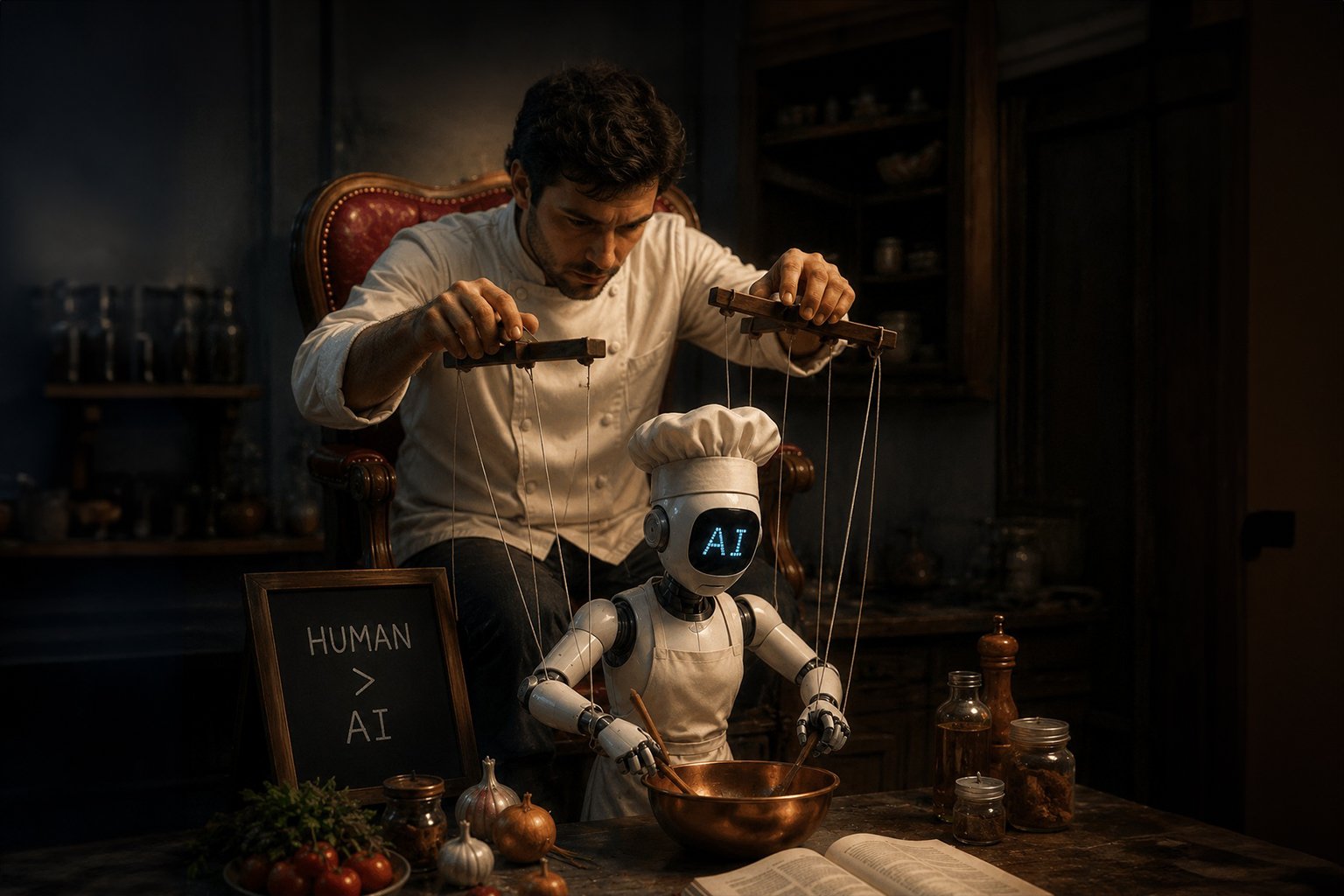
AI has already moved in, rearranged the furniture, and made itself a coffee. It’s writing your first drafts, generating your mood boards, suggesting seventeen taglines before you’ve finished your first sip of chai.
And yet.
Every time a brand tries to let AI do the whole job — not assist, the internet smells it instantly. Because AI is a phenomenal collaborator and a terrible author. It can remix anything. It cannot mean anything. That gap is exactly where creativity still wins.
Case in point: Last Christmas, Coca-Cola dropped an AI-generated version of its classic holiday ad. This Ad was roasted by everyone. Technically impressive. Emotionally… off. Viewers described it as uncanny, hollow, a little too smooth in all the wrong place*. The brand had decades of warmth to draw on, and the AI version somehow drew on none of it. Audiences noticed the difference almost instantly.
That’s the tell. AI can replicate the shape of an emotional beat. It can’t originate the feeling that shape is supposed to hold. It’s a beautifully wrapped box with nothing inside and people can tell, even if they can’t articulate why.
Why This Happens
AI is trained on what already exists. Its entire superpower is pattern-matching the past at scale — a very fast, very well-read mimic. Creativity, the real kind, is the opposite instinct, it’s noticing the pattern and then deliberately breaking it. That line doesn’t come from predicting the next likely word. It comes from noticing something true, and slightly absurd, about how people actually live. AI doesn’t live anywhere. It has no chai to sip, no commune to hate, no in-laws to dodge at Diwali. It has nothing to be honest about.
AI is the assistant. Creativity is still the author. And authorship, as it turns out, is the real job.
